
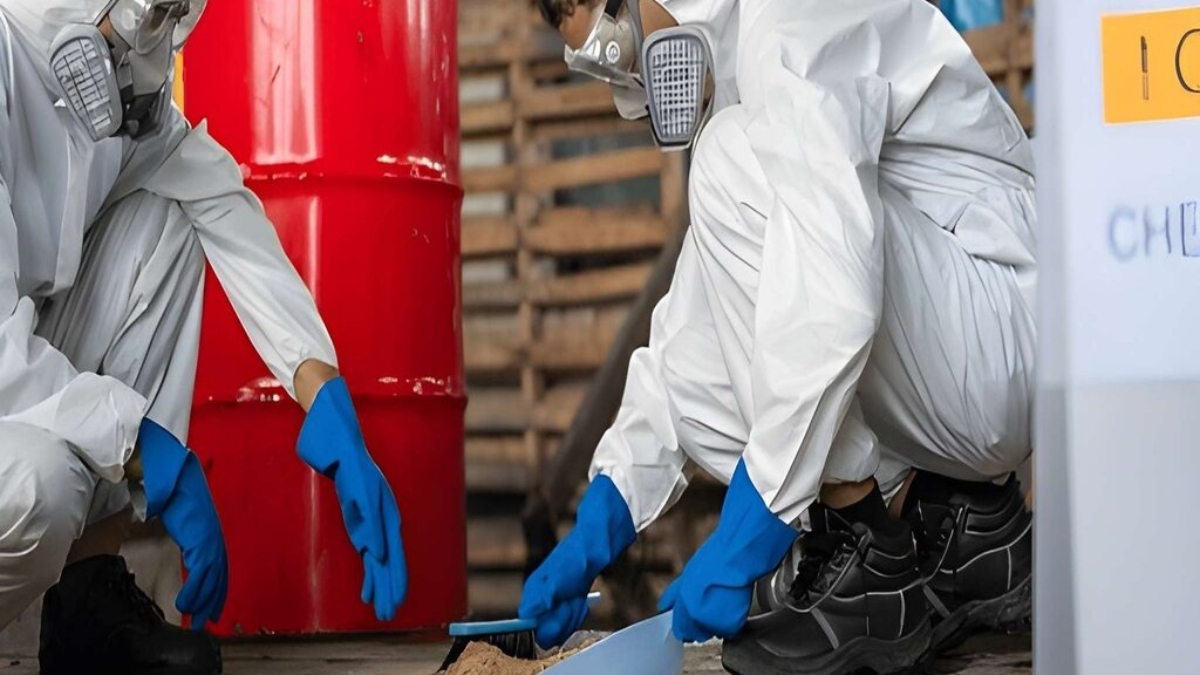
A biohazard emergency doesn’t end when the visible mess is gone. Whether it’s a traumatic accident, sewage backup, chemical spill, or an unattended death, what comes after the initial cleanup is just as critical as the cleanup itself. Many property owners make the dangerous mistake of assuming the job is done once a space “looks clean.”
If you’ve recently gone through an emergency remediation event, understanding what proper biohazard cleaning services in Knoxville involve and what safety steps follow could protect your health, your property, and everyone who enters that space afterward.
In this guide, we’ll walk you through everything you need to know about post-cleanup safety: what remains after biohazard remediation, how to verify a space is truly safe, and the biggest mistakes people make during recovery.
What Is Emergency Biohazard Remediation?
Emergency biohazard remediation is the professional process of removing, sanitizing, and restoring areas contaminated by biological, chemical, or hazardous materials. It goes far beyond standard cleaning, it’s a multi-step technical procedure performed by trained specialists using protective equipment and EPA-registered disinfectants.
Common situations that require emergency biohazard remediation include:
- Crime scenes or traumatic injury sites with bloodborne pathogen exposure
- Unattended or undiscovered deaths
- Sewage backups and black water contamination
- Hoarding cleanups with biological waste
- Chemical or industrial spills
- Infectious disease decontamination (including mold and viral outbreaks)
The goal is not just visual cleanliness; it’s biological neutralization. Pathogens, toxins, and airborne contaminants must be completely eliminated, not just covered or masked.
Why Post-Cleanup Safety Matters and Who It Affects
Many people assume that once a professional team has completed remediation, the space is immediately safe to re-enter and use as normal. That assumption can be genuinely dangerous.
Even after professional biohazard cleaning services in Knoxville complete their work, there are important safety verification steps that must be followed. Here’s why it matters and who is most at risk:
Residents and property owners re-entering a remediated space too soon can be exposed to residual pathogens, chemical cleaners, or off-gassing from disinfectants. Proper ventilation and clearance testing are required before safe occupancy.
Children and immunocompromised individuals face an elevated risk. Their systems are less equipped to handle trace exposures that a healthy adult might tolerate. Post-cleanup safety protocols protect these vulnerable groups the most.
Business owners and landlords face legal and liability exposure if a property is deemed unsafe after an event. Documentation of proper remediation and post-cleanup verification protects against future claims.
First responders and re-entry workers may be exposed to secondary contamination if proper post-cleanup procedures are not followed. This is why trained professionals use clearance testing and air quality verification before signing off.
Key Things to Know About Post-Biohazard Cleanup Safety
1. “Visually Clean” Does Not Mean “Biologically Safe”
This is the most important concept to understand. Bloodborne pathogens like Hepatitis B, Hepatitis C, and HIV can survive on surfaces for hours to days after the initial event. Bacteria from sewage contamination can persist in flooring, drywall, and HVAC systems long after visible waste is removed.
A specialty cleaning service in Knoxville with certified biohazard expertise doesn’t just clean what you can see they test for what you can’t. This includes ATP (adenosine triphosphate) testing to detect biological residue and air quality monitoring for airborne contaminants.
2. Clearance Testing Is a Non-Negotiable Step
After any serious biohazard event, a formal clearance test should be performed before the space is declared safe for re-entry. This typically involves:
- Surface sampling using swabs or lift tape tested for biological contamination
- Air quality testing for mold spores, volatile organic compounds (VOCs), or airborne pathogens
- Visual inspection by a certified remediation professional
- Written documentation and a clearance certificate
Never skip this step. If your remediation provider doesn’t offer or recommend clearance testing, that’s a significant red flag.
3. Personal Protective Equipment (PPE) During Re-Entry
Even after professional remediation, there may be a transitional period especially in large-scale events where re-entry requires basic precautions:
- Wear gloves when touching surfaces that were in the contaminated zone
- Avoid touching your face, eyes, or mouth during re-entry inspections
- Ensure adequate ventilation before spending extended time in the space
- Follow all re-entry guidelines provided by your remediation team in writing
4. Structural Damage May Require Additional Remediation
Biohazard events often damage the materials they contaminate. Porous materials like drywall, carpet, insulation, and subfloor can absorb blood, sewage, or chemical contaminants deep into their structure, making surface-level cleaning insufficient.
In many cases, contaminated structural materials must be physically removed and replaced, not just cleaned. A professional assessment will determine what can be safely salvaged and what must go. Attempting to restore visibly stained or saturated porous materials without removal is a common mistake that leads to ongoing contamination, odor, and mold growth.
5. Odor Does Not Always Signal Danger But It Can
A persistent odor after remediation doesn’t always mean the cleanup was insufficient. Some chemical disinfectants have strong lingering smells that dissipate with ventilation. However, a sewage-like, metallic, or organic odor that persists after 48 hours of ventilation may indicate incomplete remediation and should be reported immediately to your provider.
Interesting Read: “Biohazard Cleaning: Medical Waste Protocols Explained”
Common Misconceptions About Biohazard Cleanup and Post-Safety
Myth 1: If It Looks Clean, It’s Safe
Truth: Many biological contaminants are invisible to the naked eye. Professional testing, disinfecting, and verification are necessary to ensure safety.
Myth 2: Household Cleaners Are Enough
Truth: Biohazard remediation requires specialized disinfectants and procedures that go far beyond standard household cleaning products.
Myth 3: Odors Mean Contamination Is Still Present
Truth: While odors can sometimes indicate lingering issues, temporary odors may also result from disinfectants or restoration products used during remediation.
Myth 4: Any Cleaning Company Can Handle Biohazards
Truth: Biohazard situations require specialized training, protective equipment, and compliance with safety regulations.
Best Practices After Emergency Biohazard Remediation
Follow these steps to protect yourself, your family, and your property during the post-cleanup period:
- Do not re-enter the remediated area until you have written clearance from your remediation provider
- Request a clearance report with surface and air quality test results before signing off on any job
- Ventilate the space thoroughly, open windows, and run fans or HVAC for 24–48 hours after remediation
- Document everything, take photos, keep all provider communications, and maintain records for insurance purposes
- Ask for a waste disposal manifest. Professional biohazard cleaning services in Knoxville are legally required to document how biohazardous waste was transported and disposed of
- Watch for delayed mold growth. Any moisture-related biohazard event can trigger mold within 24–72 hours; inspect for discoloration or musty odors in the weeks following cleanup
- Consult a healthcare provider if you had any direct contact with the contaminated area before professional remediation was completed
Frequently Asked Questions
1. How long after biohazard cleanup can I re-enter my home or property?
Re-entry timelines vary based on the type and severity of the event. In most cases, a professional remediation team will provide a written clearance certificate after testing confirms the space is safe. For large-scale events, this may take 24–72 hours after cleanup is completed. Never re-enter before receiving written clearance.
2. What certifications should a biohazard cleaning company have?
Look for companies with OSHA 29 CFR 1910.1030 bloodborne pathogen training, IICRC (Institute of Inspection, Cleaning and Restoration Certification) credentials, and EPA-compliant waste disposal licensing. A qualified specialty cleaning service in Knoxville will provide these credentials proactively and not hesitate when asked.
3. Is biohazard cleanup covered by homeowner’s insurance?
In many cases, yes. Policies that cover sudden and accidental events often extend to biohazard remediation resulting from crime, accidents, or unexpected sewage events. Contact your insurer immediately after an event and work with a remediation company experienced in insurance claim documentation.
4. Can biohazard contamination spread through HVAC systems?
Yes. Airborne pathogens, mold spores, and volatile organic compounds from chemical events can travel through HVAC systems and contaminate areas beyond the original site. A thorough remediation should include HVAC inspection and, where necessary, duct cleaning and air quality testing.
5. What happens to biohazardous waste after it’s removed?
Licensed remediation companies are required by federal and state regulations to transport and dispose of biohazardous waste through approved medical waste disposal facilities. This is regulated under OSHA and EPA guidelines. Always request a waste disposal manifest as part of your post-cleanup documentation.
6. How do I know if my biohazard cleanup was done properly?
Request a written clearance report that includes ATP surface testing results, air quality readings, a list of EPA-registered products used, and a site-by-site account of what was treated. A reputable provider offering commercial cleaning in Knoxville TN with biohazard specialization will supply this documentation as standard practice not as an extra request.
Conclusion
Recovering from a biohazard event doesn’t end when the cleanup is complete. Understanding proper post-remediation safety helps ensure a healthier and safer environment for everyone.
If you have questions or need professional assistance, contact our team today to learn more about reliable biohazard cleaning services in knoxville and how we can help restore your property with confidence.
Also Learn More : Playground & Toy Sanitation: The Most Overlooked Areas in Daycare Cleaning
