
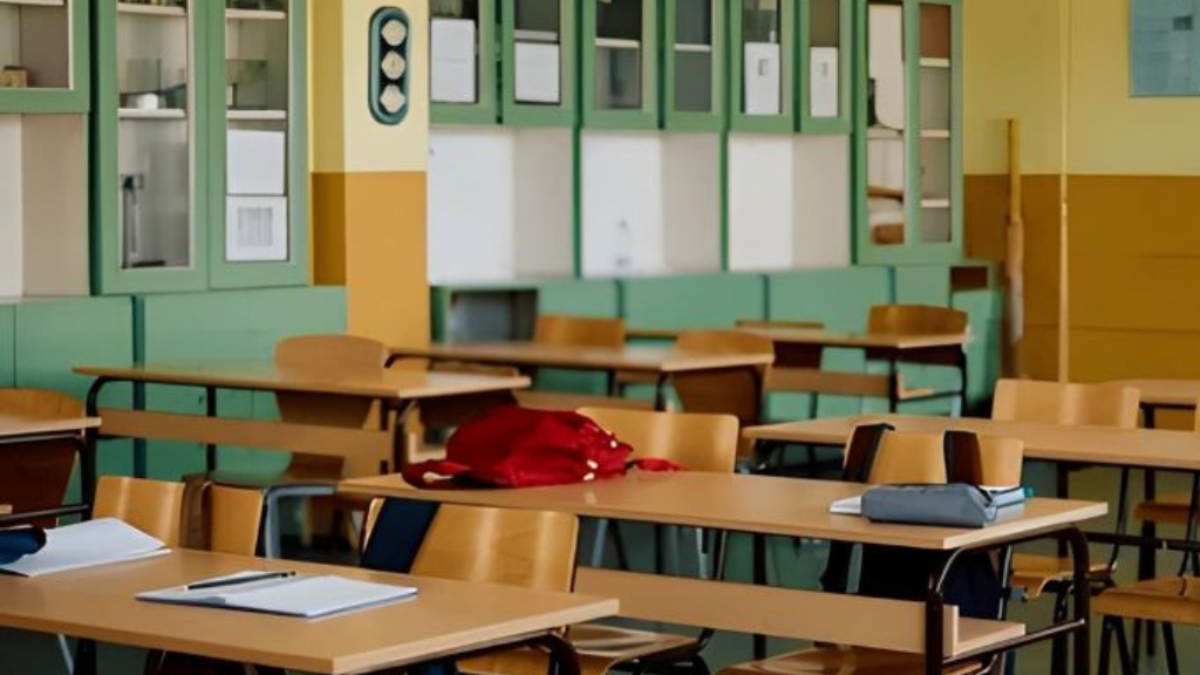
Children touch everything. Then they touch their faces, their snacks, and sometimes each other’s shoes for reasons only toddlers understand. That reality makes sanitation one of the biggest responsibilities in any daycare environment.
Many facilities focus heavily on visible cleaning, like floors, windows, and bathrooms. Yet the areas that collect the most germs often stay overlooked. Playground handles, toy bins, foam mats, sensory tables, and shared learning tools can quickly turn into hotspots for bacteria and viruses if staff skip proper sanitation routines.
That is why many centers now work with a professional daycare cleaning company in Knoxville to maintain healthier spaces for children and staff. Cleanliness is no longer just about appearances. Parents expect safe environments, licensing agencies expect compliance, and daycare owners need systems that actually work.
In this guide, we’ll break down the most ignored sanitation areas in daycare facilities, why they matter, and how professional cleaning services help reduce health risks without disrupting daily operations.
Why Daycare Sanitation Requires a Different Approach
Daycare cleaning is not the same as standard office cleaning. Adults usually avoid licking tables. Children do not share that philosophy.
Young children have developing immune systems, which makes them more vulnerable to illnesses caused by contaminated surfaces. According to the Centers for Disease Control and Prevention, germs can spread quickly in childcare settings through shared objects and high-touch surfaces.
Daycare facilities also face unique challenges:
- Constant surface contact
- Shared toys and learning tools
- Food spills throughout the day
- Frequent accidents and bodily fluid exposure
- Outdoor-to-indoor germ transfer
Because of these factors, routine wiping is not enough. Effective daycare sanitation requires structured cleaning schedules, proper disinfectants, and consistent attention to overlooked areas.
The Most Overlooked Areas in Daycare Cleaning
1. Playground Equipment Handles and Rails
Outdoor playgrounds look harmless under bright sunshine, but they collect dirt, saliva, sweat, and bacteria throughout the day.
Children constantly touch:
- Monkey bars
- Slides
- Swing chains
- Railings
- Climbing walls
Many daycare teams focus on indoor sanitation while forgetting outdoor structures. Yet outdoor equipment often sees heavy use with minimal disinfection.
A reliable daycare cleaning company in Knoxville understands that playground sanitation needs routine disinfection using child-safe products that remove germs without leaving harmful residue.
2. Shared Toys and Toy Storage Bins
Toy sanitation sounds obvious, but storage systems often get ignored.
A toy may get cleaned occasionally, but the bin holding fifty other toys rarely receives the same treatment. Moisture, crumbs, and germs collect inside these containers fast.
Plastic toys require frequent sanitizing because hard surfaces allow viruses and bacteria to survive longer. Soft toys create even bigger challenges since fabric traps dirt and moisture.
The American Academy of Pediatrics recommends regular cleaning and disinfecting of shared toys in childcare environments to reduce illness transmission.
Mid-content internal linking text recognition “ cleaning for property management companies in Knoxville.”
Soft Play Areas and Foam Mats Need More Attention
Foam flooring absorbs impact well. Unfortunately, it also absorbs spills, sweat, and bacteria.
Children crawl, sit, and nap on these surfaces daily. Cracks between mats often trap food particles and moisture, creating ideal conditions for germ growth.
Many daycare owners underestimate how quickly contamination builds up beneath removable mats. Professional cleaners typically:
- Lift and sanitize underneath the flooring sections
- Use low-toxicity disinfectants
- Remove trapped debris
- Dry surfaces properly to prevent mold
Skipping this process can lead to lingering odors and unhealthy indoor conditions.
Tables Used for Both Learning and Snacks
One minute, children use tables for coloring. Ten minutes later, crackers appear everywhere.
Multi-purpose tables become high-risk surfaces because they experience:
- Food residue
- Marker stains
- Sneezing and coughing
- Constant hand contact
Without proper disinfection between activities, germs spread rapidly across groups.
This is one reason many centers hire a daycare cleaning company in Knoxville instead of relying solely on internal staff. Teachers already manage supervision, learning activities, and parent communication. Deep sanitation often requires additional support and professional-grade processes.
Nap Areas and Sleeping Mats
Nap spaces deserve more attention than they usually receive.
Children drool, cough, sweat, and sometimes experience diaper leaks during nap time. Yet many facilities only perform surface-level cleaning on sleeping mats.
The National Resource Center for Health and Safety in Child Care recommends sanitizing sleeping surfaces regularly and storing bedding separately to avoid cross-contamination.
Important sanitation steps include:
- Disinfecting mats daily
- Washing blankets frequently
- Separating personal bedding
- Drying surfaces completely before reuse
A clean nap area supports healthier indoor air quality and reduces illness outbreaks.
Door Handles, Light Switches, and Check-In Stations
Adults touch these areas constantly, which means germs travel from outside directly into daycare spaces.
Parents arrive from workplaces, stores, gyms, and public spaces. Every touchpoint near entrances becomes a transfer zone.
The most commonly missed high-touch areas include:
- Entry door handles
- Reception counters
- Tablet check-in screens
- Cabinet pulls
- Faucet handles
Professional cleaners often prioritize these spaces because high-touch disinfection helps reduce overall contamination levels throughout the facility.
Sensory Play Stations
Sensory bins may entertain children for hours, but they also collect germs surprisingly fast.
Rice bins, kinetic sand tables, water stations, and slime activities create repeated hand-to-hand contact. Moisture-based sensory activities especially require close sanitation monitoring.
The challenge becomes bigger when daycare teams reuse materials too long without proper replacement or cleaning.
Professional daycare cleaning crews often recommend:
- Scheduled replacement cycles
- Daily surface disinfection
- Separate tools for different age groups
- Immediate cleanup after water play
These small adjustments help reduce bacterial buildup significantly.
Why Professional Cleaning Matters for Daycare Facilities
Some daycare owners try to handle cleaning internally to reduce expenses. That approach sometimes works for basic upkeep, but deep sanitation requires expertise, consistency, and time.
A professional daycare cleaning company in Knoxville brings:
- Structured sanitation protocols
- Commercial-grade disinfectants
- Knowledge of childcare safety standards
- Attention to overlooked contamination zones
- Reliable cleaning documentation
Consistency matters more than occasional deep cleaning. Germ control only works when sanitation happens regularly and correctly.
The Connection Between Daycare Cleaning and Property Maintenance
Cleanliness also impacts the overall condition of the building itself.
Moisture buildup, spills, and neglected sanitation can damage flooring, walls, furniture, and HVAC systems over time. That is why some facility owners also work with specialists offering cleaning for property management companies in Knoxville.
Property-focused cleaning services help maintain:
- Common areas
- Shared commercial spaces
- Flooring longevity
- Odor control
- Indoor air quality
When daycare operators lease space inside larger commercial properties, coordinated cleaning strategies become even more important.
Extreme Cleaning Situations Require Specialized Teams
Most daycare sanitation focuses on routine health protection. However, some facilities occasionally face severe cleanup situations involving neglect, contamination, or unsafe living conditions connected to residential childcare environments.
In those cases, a professional hoarder cleaning company in Knoxville may become necessary.
Hoarding environments can create serious safety risks, including:
- Mold growth
- Pest infestations
- Air quality issues
- Blocked exits
- Structural hazards
Specialized cleanup crews handle these situations carefully while following health and disposal regulations.
Although daycare centers rarely face these conditions directly, property owners and childcare operators sometimes need coordinated support when transitioning buildings back into safe operating condition.
How Parents Judge Cleanliness Faster Than You Think
Parents notice more than obvious messes.
They pay attention to:
- Smells near entryways
- Sticky surfaces
- Dust buildup
- Bathroom conditions
- Toy cleanliness
A visibly clean environment builds trust immediately. On the other hand, one dirty toy bin can create doubts about overall safety standards.
Cleanliness also affects online reviews, parent referrals, and enrollment retention. Families want reassurance that daycare operators take health seriously.
Best Practices for Maintaining Cleaner Daycare Spaces
Daycare facilities do not need complicated systems to improve sanitation. They need consistency.
Here are practical strategies that actually help:
1. Create Daily High-Touch Cleaning Checklists
Focus on surfaces that children and adults touch repeatedly throughout the day.
2. Separate Cleaning and Disinfecting
Cleaning removes dirt. Disinfecting kills germs. Both steps matter.
3. Use Child-Safe Products
Always follow EPA-approved childcare cleaning guidelines.
4. Rotate Toy Sanitization Schedules
Not every toy needs cleaning simultaneously. Rotation systems improve efficiency.
5. Train Staff Regularly
Proper disinfectant use matters. Incorrect dilution weakens effectiveness.
6. Schedule Professional Deep Cleaning
Routine maintenance works best when combined with periodic professional sanitation.
FAQ
1. Why should daycare centers hire a professional daycare cleaning company?
Professional cleaners follow structured sanitation protocols that help reduce germ spread, improve indoor hygiene, and maintain safer environments for children and staff. Many facilities also combine these services with cleaning for property management companies in Knoxville when operating inside shared commercial spaces.
2. How often should daycare toys and playground equipment be sanitized?
High-touch toys should receive daily cleaning and regular disinfection. Playground equipment also needs routine sanitizing because children frequently transfer germs through shared contact surfaces.
3. Can professional cleaning improve daycare air quality?
Yes. Proper cleaning reduces dust, mold risks, and airborne contaminants. Deep cleaning of carpets, mats, vents, and soft surfaces helps improve indoor air conditions over time.
Conclusion
A clean daycare environment protects children, supports healthier learning spaces, and gives parents peace of mind. From playground equipment to shared toys and nap areas, consistent sanitation helps reduce germs and keeps your facility looking professional every day. Partnering with a trusted daycare cleaning company in Knoxville ensures no important area gets overlooked.
Contact us today to learn how our professional daycare cleaning services can help create a safer, cleaner, and healthier environment for your staff, children, and families.
Also Read More : Are Your Disinfectants EPA-Approved? A Guide to Gym Sanitation Compliance
