
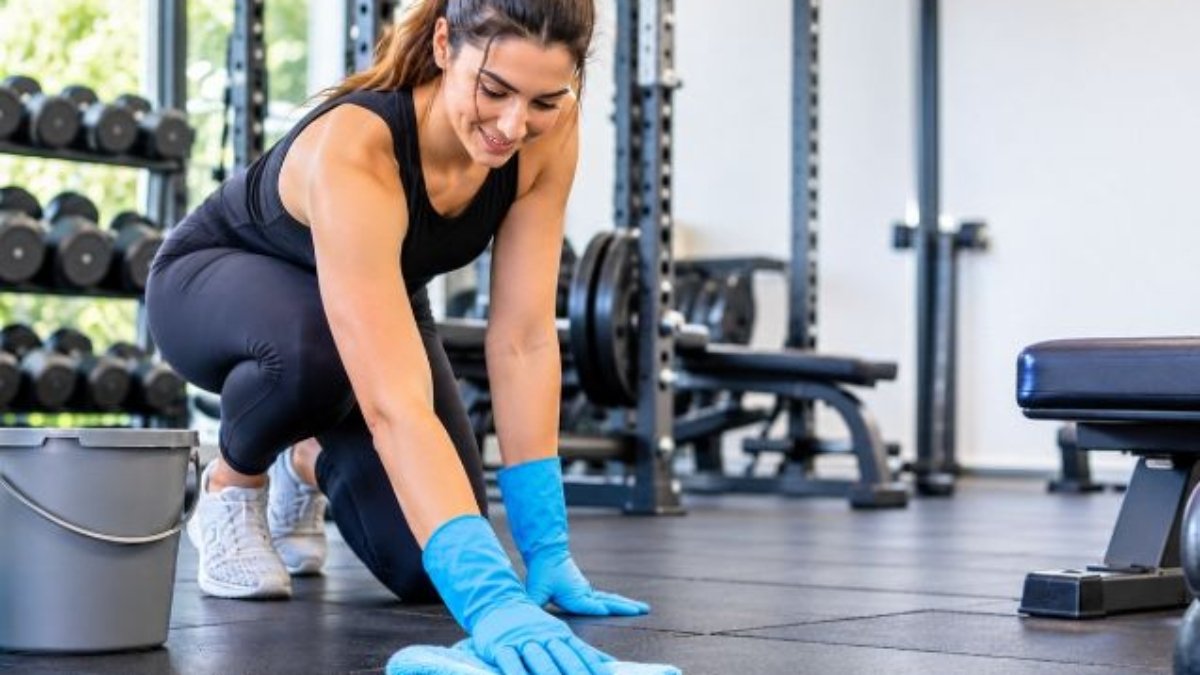
Keeping a gym clean involves more than emptying trash cans and wiping down mirrors. Floors collect dirt, sweat, and shoe marks. Rubber mats hold onto dust and moisture, while exercise equipment receives constant contact from different users throughout the day. Without a consistent cleaning routine, these surfaces can become difficult to maintain and unpleasant for members.
Gym owners need a cleaning approach that considers different materials, equipment types, and daily foot traffic. A product that works well on a tile floor may damage rubber flooring or sensitive equipment surfaces. Using the wrong cleaning method can create more problems than it solves.
Professional gym cleaning services in Knoxville help fitness facilities maintain cleaner workout spaces through planned cleaning routines and appropriate surface care.
In this guide, we explain how to clean gym floors, rubber mats, and exercise equipment, which cleaning practices to follow, and when professional cleaning can make a difference.
Why Regular Gym Cleaning Matters
Gyms experience constant activity. Members walk across floors, use shared equipment, lift weights, stretch on mats, and move between different workout areas.
These activities leave behind sweat, dust, body oils, and everyday dirt. High-touch areas, such as dumbbells, handles, benches, and machine controls, need particular attention.
Regular cleaning offers several benefits:
- Better hygiene: Routine cleaning removes dirt and reduces germs on frequently touched surfaces.
- Improved appearance: Clean floors, mirrors, and equipment create a more welcoming workout environment.
- Equipment care: Appropriate cleaning methods help protect surfaces from unnecessary wear and chemical damage.
- Floor safety: Prompt spill removal helps reduce slip hazards.
- Member experience: A clean facility shows that management takes the workout environment seriously.
The Centers for Disease Control and Prevention (CDC) recommends regularly cleaning high-touch surfaces and cleaning other surfaces when visibly dirty. It also explains that cleaning should come before disinfecting because dirt can interfere with disinfectant effectiveness.
This makes cleaning a necessary part of everyday gym maintenance, not just an occasional deep-cleaning activity.
How to Clean Gym Floors Properly
Gym floors experience heavy foot traffic, equipment movement, and occasional spills. The correct cleaning method depends on the flooring material.
Before selecting a cleaner, identify whether the floor has a rubber, vinyl, tile, concrete, or wood surface. Each material has different maintenance requirements.
1. Remove Dust and Loose Dirt First
Start by removing loose dirt, dust, hair, and debris.
Use a microfiber dust mop or a suitable vacuum to collect particles from the floor. Pay attention to corners, equipment edges, and areas underneath benches.
Skipping this step can spread dirt during wet cleaning and create additional marks.
2. Use a Suitable Floor Cleaner
Choose a cleaning product designed for the specific flooring material.
Follow the manufacturer’s dilution instructions and avoid using excessive chemicals. Strong cleaning solutions do not automatically produce better results.
Use a damp mop rather than flooding the floor with water. Too much moisture can affect certain flooring materials, enter seams, or create slippery conditions.
3. Pay Attention to High-Traffic Areas
Entryways, weight-training sections, cardio zones, and walking paths often collect more dirt than other areas.
Clean these sections regularly and respond to visible spills promptly.
For facilities that use different flooring materials, a customized cleaning schedule can help maintain each area without applying the same treatment everywhere.
4. Allow Floors to Dry Completely
Wet floors can create serious slip hazards.
Place appropriate warning signs around cleaning areas and restrict access until the surface becomes safe to use.
OSHA’s walking-working surfaces requirements emphasize maintaining workplace floors in a clean and, as far as feasible, dry condition.
A clean floor should also be a safe floor. There is no benefit in making a gym smell fresh if members have to tiptoe across it.
Interesting Read: The Shocking Reason Gym Equipment Carries More Germs Than a Toilet Seat
How to Clean Rubber Gym Mats
Rubber mats are common in weight-training areas, stretching zones, and functional fitness spaces. They provide a durable workout surface, but their textured finishes can collect dust, sweat, and dirt.
Because rubber products differ in composition and finish, always check the manufacturer’s care instructions before using a cleaning solution.
1. Remove Surface Dirt
Sweep or vacuum rubber mats to remove loose particles.
Pay attention to textured sections and the spaces between interlocking mats. Dirt can collect in these areas even when the visible surface looks clean.
2. Clean with a Compatible Solution
Use a manufacturer-approved cleaner or a mild cleaning solution suitable for the particular rubber flooring.
Apply the solution according to its instructions. Use a microfiber mop or soft cloth to remove dirt without damaging the surface.
Avoid abrasive brushes, harsh chemicals, and unapproved solvents. These products may affect the rubber’s appearance or finish.
3. Rinse When Required and Dry Thoroughly
Some cleaning products require rinsing, while others do not. Follow the product label and flooring manufacturer’s recommendations.
Remove excess moisture and allow mats to dry fully before members use the area.
Never leave damp mats stacked together. Trapped moisture can contribute to unpleasant odors and create additional maintenance problems.
4. Inspect Mats Regularly
Cleaning also provides an opportunity to identify maintenance issues.
Look for loose edges, damaged sections, separated seams, and areas that no longer sit flat.
Address these problems promptly to help maintain a safer workout environment.
How to Clean Gym Equipment Without Damaging It
Exercise equipment requires careful cleaning because different machines contain metal, plastic, upholstery, rubber grips, electronic displays, and other materials.
A product that works on one component may damage another.
1. Clean High-Touch Equipment Surfaces
Give extra attention to:
- Dumbbells and weight handles
- Treadmill handrails
- Exercise bike handlebars
- Weight machine grips
- Adjustment handles
- Workout benches
- Touchscreens and control panels
Use an equipment-compatible cleaner and a soft microfiber cloth.
For example, Life Fitness recommends approved cleaners and specific cleaning practices for its equipment. Its guidance also advises users not to spray cleaning solutions directly onto equipment surfaces.
Always follow the instructions for the actual equipment brand and model.
2. Clean Upholstered Surfaces Carefully
Weight benches and machine seats collect sweat and body oils.
Use products approved for the upholstery material. Avoid aggressive scrubbing or chemicals that can damage protective finishes.
Pay attention to seams and edges, where dirt can accumulate.
3. Protect Electronic Components
Treadmill displays, digital controls, and touchscreens need extra care.
Turn off equipment when the manufacturer’s instructions require it. Apply an approved cleaner to a cloth rather than spraying directly onto electronic components.
Never allow liquid to enter openings, buttons, or electrical connections.
4. Follow the Correct Disinfection Instructions
Cleaning and disinfecting are different processes.
Cleaning removes dirt and impurities. Disinfecting uses an appropriate product to kill specific germs on surfaces.
When disinfection is necessary, choose an EPA-registered product suitable for the intended surface and follow its label directions, including the required contact time.
The surface must remain wet for the specified contact period when the product instructions require it.
Interesting Read: Are Your Disinfectants EPA-Approved? A Guide to Gym Sanitation Compliance
How Often Should You Clean Gym Floors and Equipment?
Cleaning frequency depends on facility size, member activity, equipment usage, and the type of surface.
A small private fitness studio may need a different schedule from a busy commercial gym. The goal is to establish a routine that addresses daily dirt while leaving time for detailed maintenance.
Here is a practical cleaning schedule:
| Area or surface | Recommended cleaning routine |
| Equipment handles and grips | Regularly throughout the day |
| Workout benches | After use and during routine cleaning |
| Rubber mats | Daily or as needed |
| Gym floors | Daily, with prompt spill removal |
| Mirrors and glass | Daily or when visibly dirty |
| Locker rooms | Daily and more frequently when needed |
| Corners and equipment edges | During scheduled detailed cleaning |
| Vents and hard-to-reach areas | According to a maintenance schedule |
This schedule provides a general starting point, not a universal sanitation standard. Facilities should adjust cleaning frequency according to traffic, visible contamination, manufacturer instructions, and applicable health and safety requirements.
Consistency matters more than occasional intensive cleaning. A gym that follows a manageable daily routine can prevent dirt from building up between deeper cleaning sessions.
Common Gym Cleaning Mistakes to Avoid
Even facilities with regular cleaning routines can make mistakes that affect surface quality and maintenance.
Here are some common problems worth avoiding.
1. Using the Same Cleaner on Every Surface
Rubber mats, wood floors, metal equipment, and electronic displays have different cleaning requirements.
Using one chemical everywhere may cause discoloration, residue, or material damage.
Choose products according to the surface and equipment manufacturer’s instructions.
2. Applying Too Much Water
Excess water can enter flooring seams, collect beneath mats, and leave surfaces slippery.
Use controlled moisture and remove excess liquid during cleaning.
3. Ignoring Equipment Corners and Hidden Areas
Visible surfaces often receive attention first, but dirt also collects underneath benches, around machine bases, and between equipment components.
Include these areas in scheduled detailed cleaning.
4. Mixing Cleaning Chemicals
Never combine different cleaning products unless their manufacturers explicitly approve the combination.
Mixing chemicals can create dangerous reactions and harmful fumes.
The CDC advises against mixing cleaning and disinfecting products. Always follow label instructions and recommended protective measures.
5. Forgetting Contact Time
Disinfectants need enough time on a surface to work effectively.
Wiping away a product immediately may prevent it from meeting its stated disinfection requirements.
Read the label and follow the specified contact time.
Why Professional Gym Cleaning Requires Specialized Attention
Gym cleaning involves more than ordinary dusting and mopping. Different surfaces require different products, cleaning methods, and maintenance schedules.
A professional specialty cleaning service understands the importance of matching cleaning procedures to the material being treated.
For example, rubber flooring needs compatible products, while electronic equipment requires controlled moisture and careful handling.
Professional cleaning teams can help fitness facilities address:
- Heavy foot traffic and floor maintenance.
- Rubber mat cleaning and surface care.
- Equipment cleaning and high-touch areas.
- Locker rooms and shared facilities.
- Dust accumulation around exercise machines.
- Hard-to-reach corners and neglected areas.
- Scheduled detailed cleaning.
When a gym needs consistent commercial cleaning in Knoxville, working with a team that understands different commercial environments can make maintenance easier.
A suitable cleaning plan should consider the facility’s operating hours, equipment layout, surface materials, and member activity.
How to Build a Practical Gym Cleaning Checklist
A written checklist helps gym managers assign responsibilities and maintain consistency.
Instead of relying on memory, divide cleaning activities into manageable tasks.
Daily cleaning checklist
- Remove visible dirt and debris from floors.
- Clean high-touch equipment surfaces.
- Wipe down benches and workout stations.
- Clean mirrors and glass surfaces.
- Address spills immediately.
- Clean locker rooms and shared spaces.
- Check that floors are dry before reopening cleaned areas.
Weekly maintenance checklist
- Clean difficult-to-reach floor areas.
- Inspect rubber mats and flooring seams.
- Address accumulated dirt around equipment bases.
- Clean additional surfaces that receive less frequent attention.
- Check for damaged mats and loose flooring sections.
Periodic detailed cleaning
- Review the condition of flooring and equipment surfaces.
- Address buildup that routine cleaning does not remove.
- Follow manufacturer-approved maintenance instructions.
- Review cleaning schedules and adjust them when usage changes.
Managers should also keep cleaning products properly labeled and stored. Staff should understand product directions and use appropriate personal protective equipment when required.
A checklist does not replace professional training or manufacturer instructions, but it gives employees a clear starting point.
Choosing the Right Gym Cleaning Partner in Knoxville
Choosing a cleaning company requires more than comparing prices. Gym owners should look for a team that understands commercial facilities and can work around daily operations.
Before hiring a cleaning provider, consider these factors:
1. Experience with commercial spaces: Ask whether the team understands the cleaning requirements of fitness centers and other high-traffic facilities.
2. Cleaning methods: Confirm that the company uses suitable products for rubber flooring, equipment surfaces, and other materials.
3. Flexible scheduling: Cleaning should fit your gym’s operating hours and avoid unnecessary interruptions.
4. Attention to detail: Ask how the team handles equipment corners, floor edges, locker rooms, and frequently touched surfaces.
5. Customized cleaning plans: Every facility has different requirements. A suitable provider should discuss your space before recommending a cleaning routine.
Businesses looking for gym cleaning services in Knoxville should prioritize consistent service, clear communication, and appropriate cleaning practices.
An experienced specialty cleaning service can also help address areas that require more detailed attention than routine janitorial work.
When comparing options for commercial cleaning in Knoxville, ask about staff training, cleaning procedures, product compatibility, and service expectations.
Conclusion: Keep Your Gym Clean, Safe, and Welcoming
A clean gym supports a better experience for members and helps facility managers maintain their floors, mats, and exercise equipment.
The key is to use the right cleaning method for each surface. Remove loose dirt before wet cleaning, choose compatible products, follow disinfection instructions, and allow floors and mats to dry properly.
Regular maintenance also helps identify damaged flooring, loose mats, and equipment surfaces that need attention.
If maintaining every area becomes difficult alongside daily gym operations, professional gym cleaning services can provide additional support.
Frequently Asked Questions
1. How often should gym floors be cleaned?
Most gyms should clean floors daily and address spills immediately. High-traffic areas may need extra attention, depending on facility use and visible dirt.
2. What is the best way to clean rubber gym mats?
Remove loose dirt with a vacuum or dust mop, then use a compatible cleaning solution and a soft cloth or mop. Follow the flooring manufacturer’s instructions and allow the mats to dry completely.
3. Can I use bleach to clean gym equipment?
Do not assume bleach is suitable for gym equipment. It may damage certain materials and finishes. Always follow the equipment manufacturer’s approved cleaning instructions.
4. What areas of a gym need the most cleaning attention?
Frequently touched surfaces deserve particular attention. These include dumbbells, machine handles, benches, exercise grips, locker room fixtures, and shared workout equipment.
5. What is the difference between cleaning and disinfecting gym equipment?
Cleaning removes dirt, sweat, and impurities from surfaces. Disinfecting uses an appropriate product to kill specified germs. Cleaning should generally come first.
6. Why should gyms hire professional cleaning services?
Professional cleaners can help maintain different flooring materials, rubber mats, equipment surfaces, and shared spaces through organized cleaning routines.
7. How can gyms maintain clean floors throughout the day?
Establish regular cleaning checks, remove spills promptly, use suitable floor cleaners, and keep high-traffic areas free from loose dirt and debris.
