
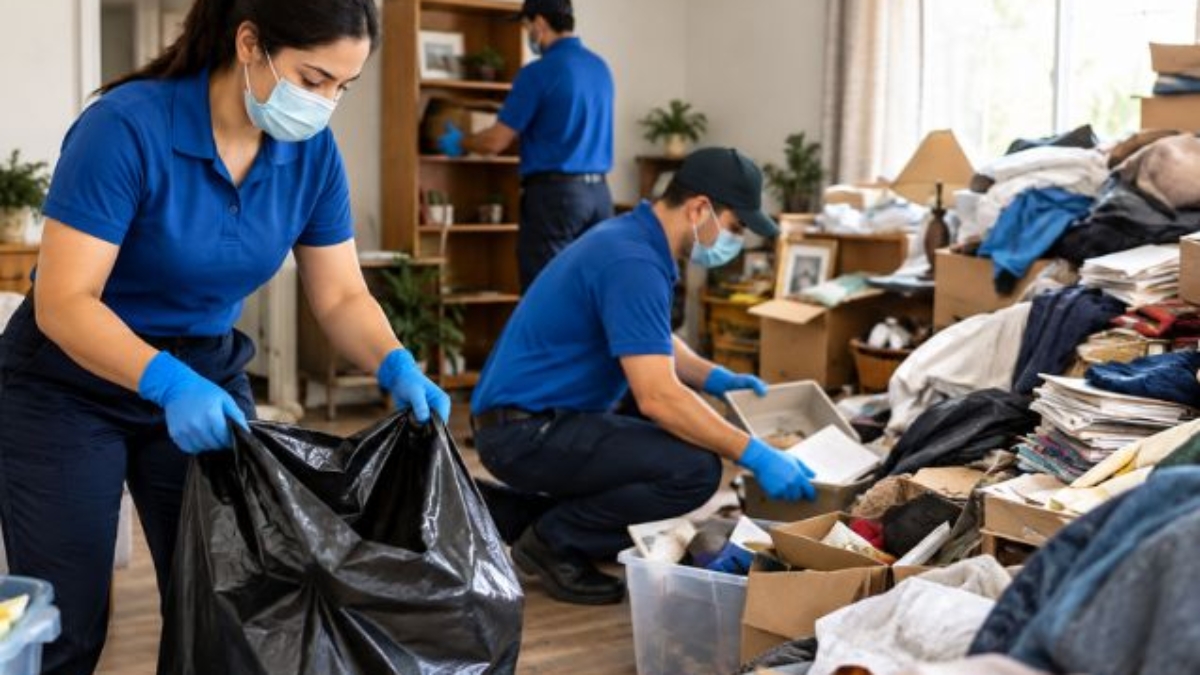
Moving to a new home should feel like a fresh start. But when years of accumulated belongings, clutter, dust, damaged materials, or waste are involved, cleaning the property can become much more complicated than filling a few trash bags.
A hoarding cleanup requires more than ordinary house cleaning. You may encounter blocked pathways, heavy dust, mold, pests, damaged flooring, sharp objects, or other hazards that need careful handling. Trying to rush through everything can create safety problems and make the moving process even more stressful.
That is why many homeowners and families turn to hoarding cleanup services in Knoxville when a property needs a structured, thorough cleanup before a move.
The goal is not simply to make a room look empty. A successful cleanup should address safety, sanitation, usable belongings, waste removal, and the condition of the property itself.
Here are seven common mistakes to avoid before moving.
What Is Hoarding Cleanup?
Hoarding cleanup is the organized process of sorting, removing, and cleaning a property affected by excessive accumulation of belongings or materials. Unlike routine housekeeping, it may involve blocked rooms, difficult-to-access surfaces, large amounts of waste, dust, moisture damage, pests, or other property concerns.
The cleanup should not begin with a simple “throw everything away” approach.
Instead, the process should consider:
- What should be kept?
- What can be donated?
- What can be recycled?
- What must be discarded?
- Are important documents or valuables hidden among other items?
- Are there safety concerns?
- Does the property require specialized cleaning?
The EPA notes that cleanup decisions depend on the condition and size of the problem when mold or moisture damage is present. For example, larger mold problems may require professional assistance rather than ordinary household cleaning.
What Makes Hoarding Cleanup Different From Regular Cleaning?
Regular cleaning usually involves manageable household tasks such as vacuuming, dusting, mopping, and organizing.
Hoarding cleanup can involve a much larger volume of belongings and may reveal conditions that are not immediately visible. Once accumulated items are moved, cleaners may discover moisture damage, mold growth, pests, broken materials, or other concerns.
The U.S. Environmental Protection Agency recommends precautions when cleaning areas affected by mold because disturbing contaminated materials can put spores into the air. The EPA also notes that porous materials affected by mold may need to be discarded because mold can grow into spaces that are difficult to clean completely.
That difference matters when preparing a property for a move.
Why Does Hoarding Cleanup Require More Planning Before a Move?
Hoarding cleanup requires more planning because removing clutter can uncover safety, sanitation, moisture, or property-maintenance problems that were previously hidden.
Imagine finding a leaking pipe only after ten boxes have been moved away from the wall. Or discovering mold beneath carpet that has not been accessible for years. Cleaning the visible clutter is only part of the job.
A planned cleanup helps you:
- Protect important belongings
- Keep walkways accessible
- Identify potential hazards
- Separate recyclable and disposable materials
- Reach hidden surfaces
- Schedule specialized work when necessary
- Complete the final cleaning before moving
The goal is not simply an empty room. The goal is a property that is cleaner, safer, organized, and ready for its next use.
What Are the 7 Common Hoarding Cleanup Mistakes to Avoid?
1. Starting Without a Cleanup Plan
Many people begin by removing the first items they see. This often creates larger piles, blocked walkways, and confusion about what should stay, be donated, recycled, or discarded.
Before work begins, inspect the property and divide it into manageable zones. Identify exits, electrical hazards, plumbing problems, damaged flooring, pest activity, and areas with mould or standing water.
Create a simple plan that includes:
- Rooms or areas to clean first.
- Items that require special handling.
- A sorting system.
- Waste removal arrangements.
- Cleaning and disinfection tasks.
- A final inspection before moving out.
A written plan helps everyone understand the next step. It also prevents valuable documents, photographs, medications, or personal items from being thrown away accidentally.
2. Treating Everything as Ordinary Household Clutter
Not every item in a heavily cluttered home belongs in a regular rubbish bag. Some materials may present additional risks.
Examples include:
- Needles or sharp metal objects.
- Paint, solvents, and pesticides.
- Batteries and damaged electronics.
- Medicines.
- Rodent- or insect-contaminated materials.
- Mould-damaged belongings.
- Sewage or bodily waste.
- Pressurised containers.
Do not handle unknown liquids, powders, needles, or chemicals with bare hands. Keep children and pets away from the work area, and contact the appropriate local service when hazardous waste requires specialist disposal.
OSHA regulations address hazardous-waste operations and emergency response, which shows why certain cleanup situations require training and appropriate controls rather than improvised handling.
3. What Safety Hazards Should You Look for During Cleanup?
Look for blocked exits, unstable stacks, sharp objects, damaged flooring, electrical concerns, moisture, mold, and other hazards before moving large amounts of material.
Potential warning signs include:
- Narrow or blocked walkways
- Items stacked close to falling
- Broken glass or sharp materials
- Exposed electrical cords or damaged equipment
- Water-damaged materials
- Visible mold
- Strong moisture-related odors
- Signs of pest activity
Do not assume that an object is safe just because it has been sitting undisturbed for a long time.
If mold is present, the EPA recommends avoiding unnecessary exposure and using appropriate protective measures. The agency also advises addressing the moisture source because controlling moisture is central to controlling indoor mold growth.
Interesting Read: Post-Cleanup Safety: What to Know After Emergency Biohazard Remediation
4. Forgetting That the Property Still Needs a Final Deep Clean
Removing clutter is only one stage of the process.
Once furniture, boxes, bags, and other belongings leave the property, previously hidden surfaces become accessible. Floors, walls, cabinets, baseboards, windows, and other areas may then need detailed cleaning.
This is particularly important when someone plans to sell, rent, or move into the property.
A move-in cleaning service in Knoxville may be useful after the major clutter has been removed because the final cleaning stage focuses on preparing the space for its next use.
The order matters:
Sort → Remove → Address hazards → Clean → Inspect → Final preparation
Trying to deep-clean every surface before removing years of accumulated belongings usually creates unnecessary work.
5. Removing Moldy or Damaged Materials Without Proper Precautions
Mold is one area where rushing can cause problems.
The EPA explains that disturbing mold can increase the amount of airborne spores. It recommends protective measures during mold cleanup and notes that heavily affected porous materials may need to be discarded rather than simply wiped clean.
For example, carpet, certain ceiling materials, and other porous surfaces may be difficult to restore once mold has penetrated them.
Before handling suspected mold:
- Identify the affected area.
- Look for the moisture source.
- Avoid unnecessary disturbance.
- Use appropriate protective equipment.
- Determine whether materials can be cleaned or need removal.
- Address moisture problems so the issue does not continue.
If the affected area is extensive or involves complicated building conditions, professional remediation may be more appropriate than ordinary cleaning.
6. Focusing Only on Removing Items
Removing clutter is only one stage of a complete move-out cleanup. Once belongings leave, the property may still contain dust, odours, stains, mould, pest residue, or contaminated surfaces.
After removal, inspect:
- Floors and subfloors.
- Walls and ceilings.
- Cabinets and drawers.
- Baseboards.
- Air vents.
- Bathrooms and kitchens.
- Window frames.
- Storage areas.
- Areas behind appliances.
Mould cleanup requires more than painting over a stain. The moisture source must be corrected, and affected materials must be cleaned, dried, or removed as appropriate. CDC guidance explains that painting or caulking over mould does not solve the underlying problem.
A thorough move-out process may require both waste removal and detailed cleaning. That is why some property owners arrange hoarding cleanup services in Knoxville before scheduling repairs, inspections, or a final move.
7. Should You Wait Until Moving Day to Start?
No. Starting early gives you time to sort belongings, identify unexpected problems, arrange disposal, and complete the final cleaning without unnecessary pressure.
A practical timeline might look like this:
| Stage | Main Goal |
| Planning | Decide what needs to happen |
| Sorting | Separate belongings by category |
| Removal | Take out unwanted materials |
| Inspection | Check newly accessible areas |
| Specialized work | Address issues such as mold when appropriate |
| Deep cleaning | Clean floors, surfaces, cabinets, and other areas |
| Final check | Confirm the property is ready |
If you wait until moving day, even a manageable project can become stressful quickly.
If the property is particularly large or the cleanup involves a significant commercial or rental space, a commercial cleaning company in Knoxville may have the equipment, staffing, and workflow needed for larger cleaning projects.
Interesting Read: The Most Overlooked Areas During Post-Construction Cleaning Services
How to Make a Hoarding Cleanup Safer and More Organized
A successful cleanup does not have to happen all at once.
Use these practical steps to keep the process manageable:
- Start with one room or clearly defined area.
- Create a decision system for belongings.
- Keep important documents separate.
- Do not disturb suspected mold unnecessarily.
- Wear appropriate protective equipment when conditions require it.
- Keep pathways and exits accessible.
- Remove waste according to applicable disposal requirements.
- Schedule final cleaning after major clutter removal.
- Give yourself time for unexpected problems.
The EPA specifically recommends limiting exposure when mold or mold-contaminated materials may become airborne and emphasizes appropriate PPE for certain remediation situations.
For larger or more complicated properties, hoarding cleanup services in Knoxville can provide a more structured approach to sorting, removal, cleaning, and preparation.
What Cleaning Should Happen After Hoarding Cleanup?
After major clutter removal, the property should receive a final cleaning based on its condition and intended use.
For a home that is about to receive a new occupant, residential move-in cleaning may focus on accessible floors, surfaces, cabinets, bathrooms, kitchens, and other living areas.
For an office, retail space, rental property, or other commercial setting, the scope may be broader.
A commercial cleaning company in Knoxville may be appropriate when the property is used for business and requires cleaning that goes beyond a standard residential move.
The key is to schedule final cleaning after the major removal work so cleaners can reach as many surfaces as possible.
What Should You Know Before Hiring a Cleanup Company?
Ask questions about the company’s experience, services, cleanup process, disposal practices, and how it handles unusual property conditions.
Before hiring a provider, ask:
- What type of cleanup do you handle?
- Do you provide sorting and removal?
- How do you handle suspected mold?
- What happens to items that may be valuable?
- What cleaning takes place after removal?
- Do you handle residential, commercial, or both types of properties?
- Can you explain what is included in the estimate?
Common Hoarding Cleanup Myths vs. Truth
Myth 1: Hoarding Cleanup Is Just a Bigger Version of Regular Cleaning
Truth: Hoarding cleanup often involves sorting belongings, removing large amounts of clutter, identifying potential hazards, and cleaning areas that have been inaccessible for a long time. It may require a more careful and structured approach than routine house cleaning.
Myth 2: Everything in a Cluttered Home Should Be Thrown Away
Truth: Not necessarily. Important documents, photographs, valuables, medications, and sentimental belongings can become mixed with unwanted items. Each item should be reviewed before disposal whenever possible.
Myth 3: You Can Remove Moldy Materials Without Any Special Precautions
Truth: Mold cleanup requires appropriate precautions. The EPA recommends controlling moisture, limiting mold exposure, and using suitable protective measures when contaminated materials may be disturbed.
Myth 4: Once the Clutter Is Gone, the Cleanup Is Finished
Truth: Removing belongings is only one part of the process. Afterward, floors, walls, cabinets, closets, and other previously blocked areas may need a thorough cleaning and inspection.
Myth 5: Hoarding Cleanup Should Be Completed as Quickly as Possible
Truth: Speed should not come before safety and organization. A planned process helps protect important belongings, identify potential hazards, and prevent unnecessary stress during the move.
What Should the Final Inspection Include?
A final inspection should confirm that:
- Exits and walkways are clear.
- Waste has been removed.
- Surfaces are clean.
- Unsafe materials have been handled correctly.
- Mould or moisture problems have been reported or repaired.
- Odours have been addressed.
- Required repairs are documented.
Take photographs where appropriate and keep service records, disposal receipts, and repair documentation. These records may help landlords, property managers, buyers, or inspectors understand the work completed.
Frequently Asked Questions
1. How long does hoarding cleanup take?
There is no universal timeline. The duration depends on the property’s size, the amount of clutter, the number of workers, disposal requirements, and whether hazards such as mold or damaged materials require additional work.
2. Can I do a hoarding cleanup myself?
Some smaller cleanups may be manageable. However, extensive clutter, structural concerns, mold, pests, sharp objects, or potentially contaminated materials can make professional assistance a safer option.
3. Should I clean before or after removing clutter?
Major clutter should generally be removed before the final deep cleaning. Once belongings are out of the way, cleaners can reach floors, walls, corners, cabinets, and other previously blocked surfaces.
4. What should I do with important documents?
Separate them from general disposal items and review them carefully. Legal, financial, medical, and identification documents should not go into a general trash pile without verification.
5. Can moldy carpet always be cleaned?
No. The EPA notes that mold can grow into porous materials, making complete removal difficult or impossible in some cases. The appropriate approach depends on the material, extent of contamination, moisture conditions, and other factors.
6. Is hoarding cleanup the same as deep cleaning?
No. Deep cleaning focuses primarily on cleaning surfaces and areas of a property. Hoarding cleanup can involve sorting and removing large quantities of belongings.
What Is the Best Way to Prepare a Property for Moving?
The best approach is to work in stages: plan, sort, remove, inspect, address specialized concerns, deep-clean, and complete a final walkthrough.
A property does not become ready simply because the clutter disappears. The final result should be a space where important areas are accessible, surfaces are cleaned, hazards have been addressed appropriately, and the next occupant can move forward comfortably.
For extensive projects, hoarding cleanup services in Knoxville can help organize the cleanup process. Once removal is complete, a move-in cleaning service in Knoxville can help prepare a residential property, while a commercial cleaning company in Knoxville can support businesses and other commercial spaces.
The smartest cleanup is not necessarily the fastest one. It is the one that protects people, belongings, and the property while creating a clear path toward the next chapter.
