
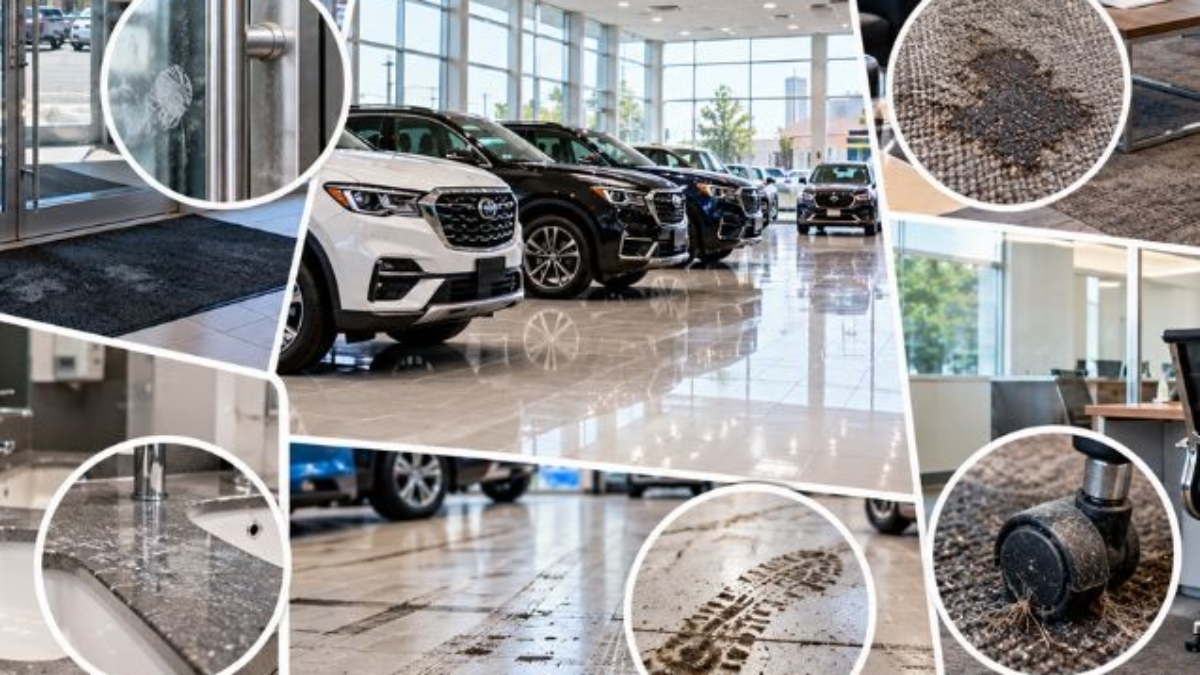
A car dealership may have shiny vehicles, bright lights, and spotless windows, but keeping the entire facility clean takes more work than most people realize. Between customers walking through the showroom, mechanics working in service bays, and employees using shared spaces, dirt and dust can build up quickly.
For dealership owners and managers, maintaining a clean facility is about more than appearance. It also supports workplace safety, customer comfort, and daily operations.
A professional car dealership cleaning service in Knoxville can help businesses address areas that regular cleaning routines often miss, including showroom floors, customer lounges, restrooms, service counters, and high-touch surfaces.
However, not every part of a dealership needs the same cleaning approach. A showroom with polished floors has different requirements from a service department dealing with oil, grease, and automotive fluids.
So, which areas are the hardest to maintain, and what cleaning methods actually work?
Let’s explore the biggest cleaning challenges inside car dealerships and practical ways to handle them.
Why Car Dealership Cleaning Requires Special Attention
Car dealerships combine several types of commercial spaces under one roof.
The showroom resembles a retail environment. Customer waiting rooms function like hospitality spaces. Offices require routine workplace cleaning, while service departments may involve industrial cleaning challenges.
Each area experiences different levels of foot traffic, contamination, and wear.
For businesses seeking commercial cleaning in Knoxville, TN, understanding these differences helps create a more effective cleaning schedule.
For example, cleaning a glass showroom entrance requires different products and equipment from removing grease near an automotive repair bay.
Using one cleaning method throughout the entire building can waste time or damage sensitive surfaces.
A practical cleaning plan considers surface materials, daily activities, safety requirements, and how often people use each area.
9 Hardest Areas to Keep Clean in a Car Dealership
From busy showroom floors to grease-covered service bays, car dealerships face unique cleaning challenges every day. Here are nine areas that need extra attention to maintain a clean, safe, and welcoming environment.
1. Showroom Floors: Constant Foot Traffic and Tire Marks
Showroom floors are among the most noticeable surfaces inside a dealership.
Customers walk around vehicles, employees move between departments, and display cars occasionally change positions.
These activities can leave footprints, dust, tire marks, and tracked-in dirt.
Rainy weather can make the problem worse, especially near entrances where visitors bring moisture and outdoor debris inside.
Common cleaning challenges include:
- Visible footprints on polished floors.
- Tire marks from vehicle movement.
- Dust collecting beneath display vehicles.
- Dirt accumulating along floor edges.
- Water spots near entrances.
Regular sweeping or dust mopping helps remove loose debris. Damp cleaning with manufacturer-approved products can address remaining marks.
Different flooring materials require different cleaning methods. Products suitable for ceramic tile may not work well on polished concrete or specialty floor coatings.
A reliable car dealership cleaner should identify the flooring material before selecting cleaning chemicals or equipment.
Clean floors improve showroom presentation, but they also help reduce slip hazards caused by moisture and debris.
2. Glass Doors and Windows: Fingerprints Never Take a Day Off
Glass surfaces give dealerships a bright, open appearance.
Unfortunately, they also reveal fingerprints, dust, water spots, and streaks almost immediately.
Customers touch entrance doors, employees open glass partitions, and outdoor conditions affect showroom windows.
Even freshly cleaned glass can develop visible marks during a busy afternoon.
The challenge becomes greater when dealerships have large windows or glass walls.
Practical cleaning solutions include:
- Cleaning frequently touched glass doors daily.
- Using appropriate glass-cleaning products.
- Removing fingerprints from handles and surrounding surfaces.
- Scheduling detailed cleaning for large showroom windows.
- Using clean microfiber cloths to reduce streaking.
Avoid using abrasive tools that could scratch glass or damage protective coatings.
For high exterior windows, use properly trained personnel and suitable access equipment.
Clean glass helps customers view display vehicles clearly and keeps the dealership looking professional.
3. Customer Waiting Areas: Food Crumbs, Spills, and Shared Surfaces
Customer lounges often receive steady traffic throughout the day.
Visitors sit while waiting for vehicle maintenance, enjoy refreshments, charge their phones, or work on laptops.
That combination creates plenty of cleaning challenges.
Coffee spills, food crumbs, fingerprints, and dust can collect around chairs, tables, and shared equipment.
A waiting area might look tidy from the entrance while hiding an impressive collection of crumbs beneath the furniture.
Areas that need regular attention include:
- Chairs and upholstered furniture.
- Coffee tables and countertops.
- Beverage stations.
- Door handles and light switches.
- Shared charging stations.
- Trash containers and surrounding floors.
A professional auto dealership cleaning service in Knoxville can help maintain customer lounges through routine surface cleaning, floor care, and scheduled upholstery maintenance.
Staff should also respond promptly to spills and overflowing trash.
A comfortable waiting area supports a more pleasant customer experience, especially during longer service appointments.
Interesting Read: Why Clean Dealerships Earn More Customer Trust and Repeat Business
4. Service Bays: Oil, Grease, and Automotive Fluids
Service departments present some of the toughest cleaning challenges in a dealership.
Unlike showrooms, service bays regularly encounter oil, grease, lubricants, dirt, and automotive fluids.
Technicians also use tools and equipment that create additional debris.
These conditions require more than ordinary floor mopping.
Automotive fluids may create slipping hazards, and some substances require special handling or disposal.
The Occupational Safety and Health Administration (OSHA) requires employers to maintain walking-working surfaces in a clean, orderly, and sanitary condition. It also addresses hazardous conditions such as spills and leaks.
Effective service bay cleaning practices include:
- Removing loose debris from work areas.
- Responding quickly to fluid spills.
- Using suitable degreasers on compatible surfaces.
- Keeping walkways clear.
- Following approved procedures for contaminated materials.
- Maintaining cleaning equipment and supplies.
Dealership managers should distinguish routine janitorial work from hazardous material cleanup.
Not every commercial cleaner has the training, equipment, or authorization to handle automotive chemicals.
Service bay cleaning should follow the facility’s safety procedures, chemical safety data sheets, and applicable environmental requirements.
5. Dealership Restrooms: High Usage and Hygiene Challenges
Restrooms are small compared with showrooms, but they can create significant maintenance demands.
Customers, sales teams, service technicians, and office employees may share the same facilities.
Frequent use increases the need for cleaning and supply checks.
Common problems include unpleasant odors, water spots, soap residue, overflowing trash, and dirty fixtures.
Restroom cleaning should include:
- Cleaning and disinfecting appropriate high-touch surfaces.
- Scrubbing toilets, sinks, and fixtures.
- Removing soap residue and visible dirt.
- Cleaning mirrors and countertops.
- Mopping floors with suitable products.
- Restocking soap, toilet paper, and paper towels.
The Centers for Disease Control and Prevention (CDC) explains that regular cleaning removes dirt and many germs, while disinfection may be appropriate in certain circumstances.
Cleaning staff should follow disinfectant label directions, including required contact times.
A consistent restroom schedule is particularly important during busy sales events and service hours.
6. Sales Desks and Offices: Hidden Dust and High-Touch Surfaces
Sales desks and administrative offices may appear cleaner than service areas, but they have their own challenges.
Employees handle paperwork, use computers, answer phones, and meet customers throughout the day.
Dust collects around monitors, keyboards, shelves, and office furniture. Shared desks and frequently touched equipment also require regular attention.
Recommended cleaning tasks include:
- Wiping desks and countertops.
- Cleaning door handles and light switches.
- Dusting shelves and office furniture.
- Vacuuming carpets and cleaning hard floors.
- Emptying wastebaskets.
- Cleaning electronic equipment according to manufacturer instructions.
Businesses arranging commercial cleaning in Knoxville TN should include administrative spaces in their cleaning plans rather than focusing only on customer-facing areas.
The CDC recommends regularly cleaning high-touch surfaces and following manufacturers’ instructions when cleaning electronic devices.
7. Dealership Entrances: Mud, Rainwater, and Outdoor Debris
The entrance is often the first area customers notice, and it also collects some of the most stubborn dirt.
During rainy weather, customers may track water, mud, and small debris into the building. Leaves and dust can accumulate near exterior doors.
In Knoxville, changing weather conditions make entrance maintenance an important part of dealership cleaning.
Entrance mats help capture moisture and debris before visitors reach showroom floors.
However, mats need regular inspection and cleaning. A dirty or poorly positioned mat can create additional problems.
Useful entrance maintenance practices include:
- Removing debris from sidewalks and entryways.
- Cleaning entrance mats regularly.
- Wiping glass doors and handles.
- Responding promptly to wet floors.
- Checking drainage and water accumulation.
- Keeping walking paths clear.
OSHA’s walking-working surface standards require employers to address hazards such as spills and leaks.
A clean entrance supports both facility appearance and safer movement.
Interesting Read: Car Dealership Cleaning Solutions for Winter, Rainy, and Dusty Seasons
8. Parts Storage Areas: Dust, Packaging, and Hard-to-Reach Spaces
Dealership parts departments often contain shelves, storage bins, packaging materials, and automotive components.
These spaces can accumulate dust and loose debris, particularly around shelving units and frequently used walkways.
Unlike an open showroom, storage areas may contain narrow aisles and difficult-to-reach corners.
Cleaning staff must work carefully around inventory and equipment.
Important cleaning priorities include:
- Removing dust from accessible shelves.
- Keeping aisles free of packaging debris.
- Cleaning floors around storage racks.
- Emptying appropriate waste containers.
- Avoiding damage to automotive parts.
- Reporting leaks or unsafe storage conditions.
Staff should not move heavy inventory or handle unfamiliar chemicals without appropriate training and authorization.
A structured cleaning routine helps maintain an organized environment without interrupting parts department operations.
9. Employee Break Rooms: Food Spills, Odors, and Shared Equipment
Employee break rooms are easy to overlook when managers focus on the showroom.
However, these spaces experience regular use throughout the workday.
Food spills, crumbs, overflowing trash, and dirty countertops can quickly affect cleanliness.
Shared refrigerators, microwaves, tables, and sinks also need attention.
A practical break room cleaning routine should include wiping countertops, cleaning tables, removing trash, and maintaining floors.
Employees should handle personal food storage and refrigerator contents according to workplace policies.
Professional cleaning teams can maintain common surfaces while employees remain responsible for their personal belongings.
How Often Should Car Dealerships Schedule Professional Cleaning?
Cleaning frequency depends on dealership size, customer traffic, building layout, and the activities performed in each area.
There is no single cleaning schedule that works for every facility.
The following table provides a practical starting point rather than a mandatory industry standard.
| Dealership area | Suggested cleaning frequency |
| Showroom floors | Daily; spot-clean as needed |
| Glass doors and entrance areas | Daily; more often during busy periods |
| Customer waiting rooms | Daily; address spills immediately |
| Service bays | Daily housekeeping; immediate response to spills |
| Restrooms | Daily, with checks throughout operating hours |
| Sales desks and offices | Daily high-touch cleaning |
| Parts storage areas | Routine housekeeping and scheduled detailed cleaning |
| Employee break rooms | Daily; clean spills promptly |
A professional car dealership cleaning service in Knoxville can help dealership managers develop a schedule around operating hours and facility conditions.
High-traffic areas may need several checks during the day, while less frequently used spaces may need scheduled detailed cleaning.
Why Professional Car Dealership Cleaning Matters
Keeping a dealership clean requires consistent attention across several different environments.
Professional cleaning teams can support routine floor care, restroom maintenance, glass cleaning, dust removal, and common-area upkeep.
For dealerships considering commercial cleaning in Knoxville TN, it helps to choose a provider that understands the differences between showrooms, offices, and automotive service environments.
Managers should also confirm which services fall within the cleaning company’s scope.
Specialized tasks involving hazardous automotive waste, chemical spills, or industrial equipment may require separately trained personnel.
The U.S. Environmental Protection Agency explains that automotive fluids entering certain drainage and disposal systems can threaten groundwater. Proper waste handling is therefore an important part of service department management.
A clear cleaning checklist, defined responsibilities, and regular inspections help businesses maintain consistent standards.
Keep Every Dealership Area Clean and Customer-Ready
Car dealerships face cleaning challenges that ordinary offices rarely encounter.
Showroom floors collect tire marks, customer lounges experience frequent use, and service bays require special attention because of automotive fluids and debris.
Restrooms, glass entrances, offices, and storage areas also need regular maintenance.
A dependable car dealership cleaning service in Knoxville can help dealerships manage these everyday challenges through appropriate cleaning methods and consistent schedules.
Frequently Asked Questions
1. What is the hardest area to clean in a car dealership?
Service bays are often among the hardest because they may contain oil, grease, automotive fluids, and equipment-related debris.
2. How often should car dealership floors be cleaned?
Showroom floors generally benefit from daily cleaning, with additional attention when dirt, moisture, or tire marks appear.
3. Can commercial cleaners clean automotive service bays?
Some can perform routine housekeeping, but hazardous spills and specialized industrial cleaning require appropriate training and procedures.
4. Why do car dealership windows need frequent cleaning?
Glass doors and windows collect fingerprints, dust, water spots, and outdoor debris, especially in busy customer areas.
5. What should dealership cleaning services include?
Typical services may include floor care, restroom cleaning, glass cleaning, dusting, trash removal, and customer lounge maintenance.
6. Does professional cleaning help improve dealership safety?
Appropriate cleaning helps remove debris and address certain slip hazards. However, cleaning alone cannot eliminate every workplace safety risk.
7. How do dealerships choose a commercial cleaning company?
Review service scope, relevant experience, cleaning methods, insurance, scheduling options, and procedures for handling specialized areas.
