
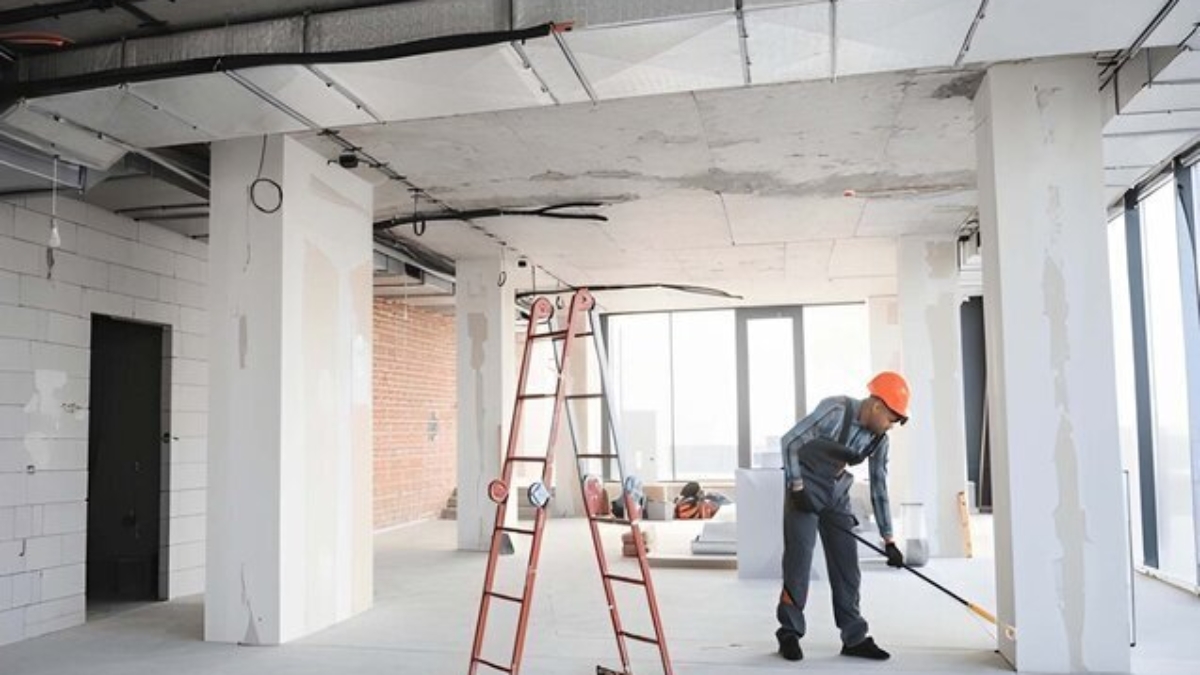
A newly renovated or constructed space can look finished at first glance. The floors shine, the walls look fresh, and the contractors have finally packed away their tools. But take a closer look, and the story can change quickly.
Fine dust may be sitting inside cabinets. Window tracks may contain debris. Door frames can hold fingerprints and residue, while vents, trim, and corners quietly collect particles.
That is why post-construction cleaning services involve much more than sweeping the floor and wiping a few surfaces. Construction can create fine dust that spreads beyond the immediate work area. The U.S. Environmental Protection Agency recommends thorough cleaning at the end of renovation work, including vacuuming exposed surfaces and wet-cleaning areas to remove remaining dust and debris.
The most effective cleanup focuses on the areas people notice and the ones they usually forget.
Why Post-Construction Cleaning Differs from Regular Deep Cleaning
Construction leaves behind a different kind of mess than everyday living. Standard residential cleaning assumes maintained surfaces. Post-construction cleaning deals with fine silica dust, adhesive residue, grout haze, paint overspray, and manufacturer protective coatings that require specific treatment.
Here’s what sets it apart:
- Fine silica dust: Drywall sanding, concrete cutting, and tile work create microscopic particles that penetrate gaps, cabinet interiors, and HVAC ducts.
- Adhesive and sticker residue: New windows, appliances, and fixtures arrive with protective films and labels that need specialized removal.
- Grout haze and construction film: Tile surfaces often look cloudy until treated with the right cleaner.
- HEPA filtration required: Standard vacuums recirculate fine construction dust instead of capturing it.
Professional post-construction cleaning services follow a phased approach: rough clean, final clean, and touch-up, because one pass can’t address all these residue types effectively.
The Most Overlooked Areas in Post-Construction Cleaning
1. HVAC Vents, Diffusers, and Return Grilles
HVAC components rank as the most consistently missed area in post-construction cleaning. Drywall dust accumulates heavily on diffusers and return grilles throughout the build, then circulates every time the system runs.
What gets missed:
- Supply and return diffusers coated in drywall dust
- Accessible duct openings with debris
- Mechanical room floors with construction waste
- Electrical panel areas with drywall dust accumulation
Why it matters: Dirty HVAC systems reduce air quality, lower efficiency, and can trigger re-inspection requests during certificate of occupancy walkthroughs.
2. Window Tracks, Frames, and Sills
Window installation often happens early in construction, then activity continues around them for weeks. The result: tracks filled with grit, drywall screws, sawdust, and adhesive residue that standard cleaning misses.
What gets missed:
- Bottom tracks packed with debris that grinds against rollers
- Frame corners with leftover film and construction residue
- Sticker and label adhesive baked onto glass from sun exposure
- Sills and jambs with drywall dust accumulation
Why it matters: Uncleaned tracks break window mechanisms over time. Adhesive residue becomes permanent if left too long.
Move in move out cleaning services in Knoxville that perform post-construction turnovers identify window tracks as one of the top five areas generating client callbacks because they look clean from a distance and reveal their true state only under close inspection.
3. Inside Cabinet Boxes and Drawer Channels
Cabinet interiors accumulate heavy construction dust during installation. Carpenters often drill holes for handles after cabinets are mounted, leaving sawdust inside drawers and on runner channels.
What gets missed:
- Inside cabinet boxes and shelf surfaces
- Drawer channels and corner joints
- The void behind drawer boxes where dust settles
- Top edges of upper cabinets where dust hides
Why it matters: Imagine unpacking dishes only to find fine wood dust in your cabinets. This isn’t just unsightly; it’s a hygiene failure in food-prep areas.
4. Grout Lines and Tile Haze
Tile surfaces often look clean when wet but reveal a cloudy film as they dry. This is grout haze a mineral deposit from the tiling process that water and soap won’t remove.
What gets missed:
- Grout lines between tiles with construction adhesive and haze
- Tile walls behind fixtures with construction film
- Floor edges and corners where protective covering left adhesive
- Bathroom grout that needs specific acidic wash (balanced to avoid damaging grout)
Why it matters: Grout haze makes new tile look dull and aged. Proper removal requires specific products, not standard floor cleaner.
5. Tops of Door Frames, Cabinets, and High Ledges
Construction dust defies gravity and clings to vertical and overhead surfaces. Builders look down when they clean, but dust settles on tops of door frames, crown moldings, and high ledges.
What gets missed:
- Tops of door frames and upper edges of wainscoting
- Intricate grooves of POP ceilings and textured wallpaper
- High ledges, partition heads, and ductwork covers
- Light fittings and sprinkler heads with dust accumulation
Why it matters: The first time you turn on ceiling fans or AC, this “vertical dust” dislodges and rains down on your freshly unpacked furniture.
6. Light Fixtures, Ceiling Fans, and Electrical Plates
High-up fixtures attract floating dust and remain out of direct sight during builder walkthroughs.
What gets missed:
- Tops of ceiling fan blades
- Inside of glass light shades
- Top edges of electrical switch plates and outlet covers
- Chandeliers and complex light fittings with dust in crevices
Why it matters: Dust accumulation in electrical fixtures isn’t just dirty it can cause bulbs to burn out prematurely from heat retention.
7. Under and Behind Appliances
Appliances get pushed into position before the final clean, trapping dust and debris underneath.
What gets missed:
- Floor space under refrigerators, ovens, and dishwashers
- Behind appliances where protective covering left adhesive
- Appliance interiors with manufacturer protective coatings still intact
- Range hood interiors with construction dust, salt, and slate
Why it matters: Dust under appliances circulates when the HVAC runs. Protective coatings on new appliances need removal before first use.
Additional Overlooked Areas That Cost Clients Callbacks
Beyond the major zones above, experienced post-construction cleaning services teams address a consistent list of secondary overlooked areas:
1. Electrical outlets and switch plates: Paint overspray on outlet covers is universal in renovation projects. Outlet plates need to be removed, cleaned, and replaced not painted over or wiped cursorily.
2. Baseboards and wall-to-floor junctions: Drywall compound and paint drips collect at baseboard edges during finish work. Fine construction dust accumulates in the crevice between baseboard and flooring. Standard mopping misses this entirely.
3. Staircase components: Balusters, handrails, and stair risers all accumulate construction dust and paint overspray on surfaces that are both complex in geometry and high-visibility to anyone using the stairs. Each baluster typically needs individual attention.
4. Garage and utility areas: Construction crews stage materials and do cutting work in garages and utility spaces. These areas frequently end up more contaminated than finished living spaces and are consistently underserviced in post-construction cleaning because they’re perceived as “less important” than the finished rooms.
5. Exterior entry areas and threshold zones: Construction traffic constantly tracks materials in from outside. Entry thresholds, door jamb bottoms, and exterior step surfaces collect layered construction residue that neither construction crews nor untrained cleaners systematically address.
The Right Sequence for Professional Post-Construction Cleaning
One reason so many construction cleanouts require callback visits is sequencing error. Cleaning in the wrong order redistributes contamination rather than removing it.
Professional post-construction cleaning services follow a documented top-to-bottom, inside-to-outside sequence:
Phase 1: Rough clean:
- Remove all construction debris, scrap materials, and packaging
- HEPA vacuum all surfaces from ceiling height down: light fixtures, vents, shelving, counters, floors
- No wet cleaning during this phase; wetting surfaces before removing all dry particulate creates mud that embeds contamination rather than removing it
Phase 2: Detail clean:
- Wet clean all surfaces in sequence: ceilings → walls → cabinets → counters → fixtures → floors
- Address all specialty surfaces: window tracks, door hardware, grout haze, tile film
- HVAC vent and filter service
Phase 3: Final clean:
- Full floor care: vacuum, then appropriate wet cleaning or polishing matched to floor type
- Final fixture wipe-down: mirrors, glass, chrome streak-free finish
- Walk-through inspection against a documented checklist before signing off
Professional cleaning services in Knoxville that specialize in post-construction turnovers document each phase with photos before and after, providing the client with a verifiable record of what was completed and protecting both parties in any callback dispute.
Interesting Read : How to Choose a Hoarding Cleanup Company: A Compassionate Guide
Common Mistakes During Post-Construction Cleaning
Mistake 1: Cleaning Only Visible Surfaces
A clean-looking room can still have dust inside cabinets, around window tracks, behind doors, and along trim.
Mistake 2: Sweeping Fine Dust Into the Air
For work involving potential silica exposure, OSHA limits dry sweeping and dry brushing when those methods could contribute to respirable silica exposure. Wet sweeping or HEPA-filtered vacuuming may be appropriate when feasible.
Mistake 3: Forgetting Indoor Air Considerations
Dust control should continue throughout the cleanup process rather than becoming an afterthought at the very end.
Mistake 4: Rushing the Final Inspection
A rushed walkthrough tends to find the obvious problems while missing small details.
How to Choose the Right Post-Construction Cleaning Service
Post-construction cleaning isn’t the place for the lowest bid. The risk is real: a missed grout haze that cures fully, etched glass from improper product selection, or redistributed silica dust that triggers air quality complaints can cost far more to remediate than the savings on a cheaper cleaning quote.
Here’s what separates qualified providers:
- HEPA-rated commercial vacuum equipment: non-negotiable for post-construction dust. Standard vacuums recirculate fine particles back into the air.
- Phase-based cleaning protocol: a provider who can describe the rough clean / detail clean/final clean sequence understands the work
- Product specificity for surface types: different answers for tile grout haze, glass cleaning, wood floor finishing, and chrome fixtures indicate genuine expertise
- Before-and-after photographic documentation: professional accountability and client protection in one step
- References from other construction or renovation projects: post-construction experience is specific; general commercial cleaning experience doesn’t automatically translate
- Clear scope agreement: a written, itemized cleaning scope protects both parties and ensures the overlooked areas above are explicitly included
Professional cleaning services in Knoxville that work regularly with construction contractors and general contractors understand the delivery timelines, scope handoff expectations, and documentation requirements of the construction industry, which makes the post-construction handoff to occupancy significantly smoother than working with a general residential cleaner unfamiliar with the project context.
Frequently Asked Questions
1. What are post-construction cleaning services?
Post-construction cleaning services focus on removing construction-related dust, debris, residue, and buildup after building or renovation work. The scope can include floors, windows, cabinets, fixtures, doors, trim, walls, and other accessible surfaces.
2. Why does construction dust get everywhere?
Construction activities such as cutting, drilling, sanding, and drywall work can create fine particles. Those particles can settle on surfaces beyond the immediate work area, which is why detailed cleanup matters.
3. Are professional cleaners necessary after construction?
Not every project requires outside help, but larger or more detailed projects can benefit from experienced cleaners who understand construction-related dust, surface care, and systematic final inspections.
4. Can I simply sweep construction dust?
That depends on the material and situation. When respirable crystalline silica exposure could occur, OSHA restricts dry sweeping and dry brushing unless safer methods are not feasible. Wet sweeping or HEPA-filtered vacuuming can be appropriate alternatives.
5. When should I schedule the final cleaning?
For many projects, final detailed cleaning works best after major construction activities finish and before occupants move into the property. Larger projects may need multiple cleanup stages.
6. What should I ask a cleaning company before hiring them?
Ask what the cleaning scope includes, how the company handles construction dust, what equipment it uses, which surfaces it can clean, whether it performs a final inspection, and whether specialized materials fall outside its normal service.
Final Thoughts
A property is not truly finished just because the contractors have packed up.
Fine dust and construction residue can remain inside cabinets, along window tracks, on baseboards, around fixtures, behind appliances, inside closets, and in many other areas that people rarely check.
Thorough post-construction cleaning services address these details while using cleaning methods appropriate for the materials and project conditions. EPA guidance supports careful dust control and cleanup, while OSHA provides specific housekeeping requirements when respirable silica exposure may occur.
For property owners preparing a newly built or renovated space, experienced professional cleaning services in Knoxville can help turn a technically completed project into a space that actually feels ready for use.
And when a property is also changing occupants, combining construction cleanup with move in move out cleaning services in Knoxville can make the transition more practical.
The final test is simple: don’t just ask whether the construction is finished. Look closely and ask whether the entire space is ready.
Learn More : The Shocking Reason Gym Equipment Carries More Germs Than a Toilet Seat
